If you've ever gone to toss an old TV or computer in the trash and hesitated, your instinct was right. In California, throwing away many types of electronics isn't just discouraged — it's against the law. Here's what the rules actually say, which items are covered, and how to get rid of your old electronics the legal way.
The Short Answer: Yes, It's Illegal
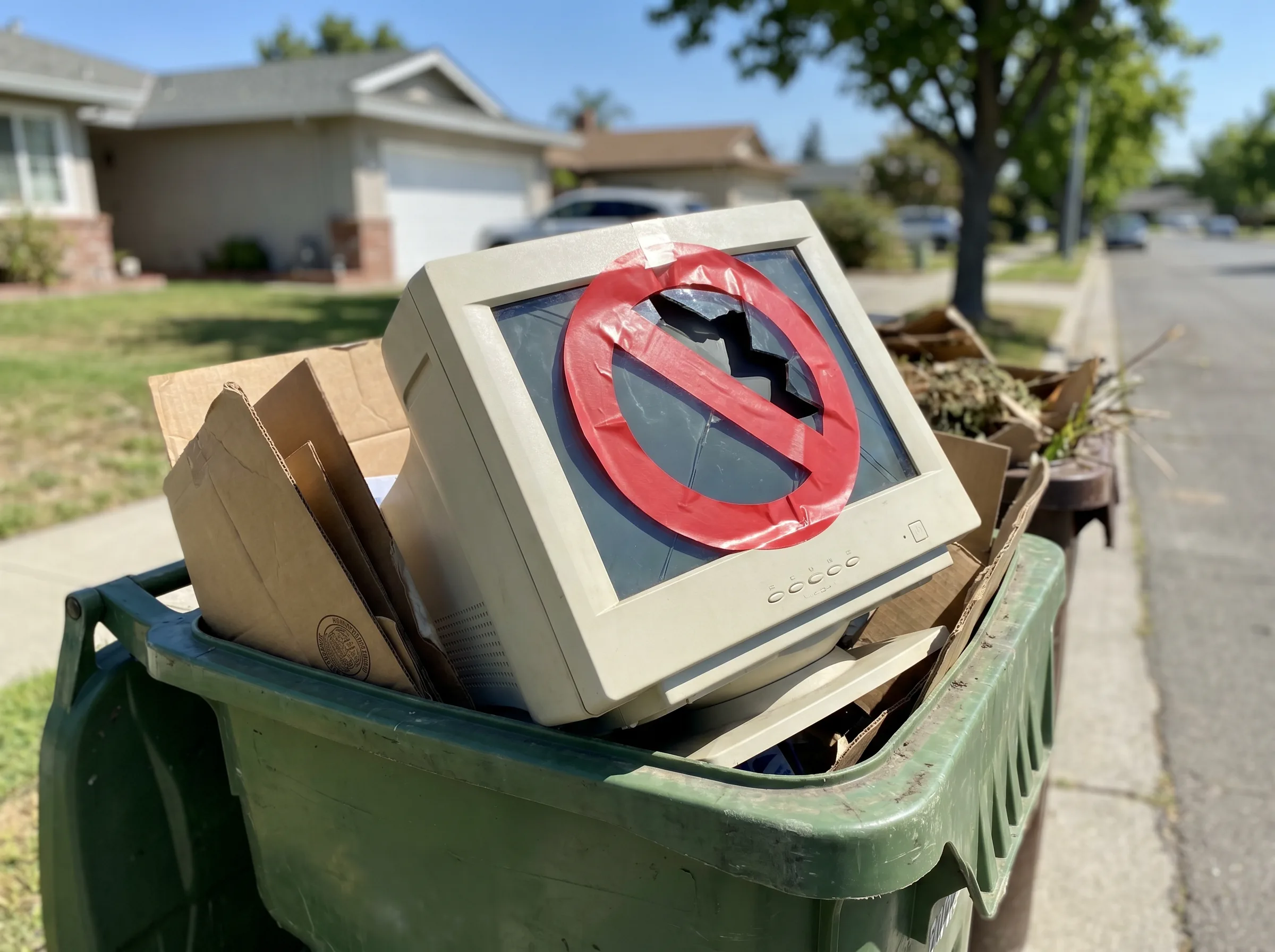
California law prohibits disposing of electronic waste in regular household or commercial trash. The state classifies e-waste as universal waste — a category of hazardous material — because electronics contain substances like lead, mercury, and cadmium. Placing these items in a trash can, dumpster, or curbside bin violates state disposal regulations. This applies to both residents and businesses across the state, including here in the Inland Empire.
Why California Regulates E-Waste
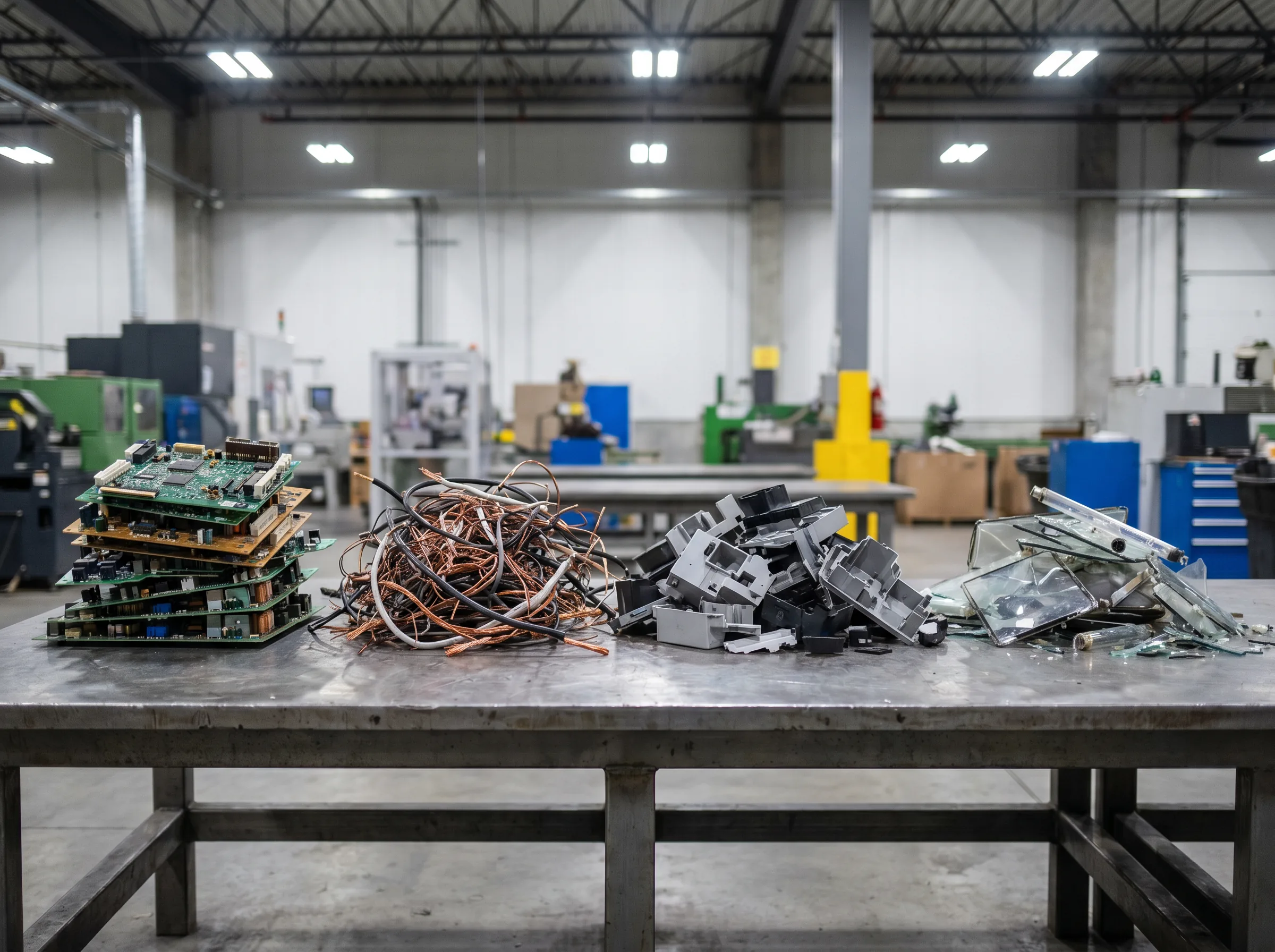
The reasoning comes down to what's inside your electronics. A single old monitor or television can contain several pounds of leaded glass, and many devices include heavy metals and flame retardants that are harmful to human health and the environment. When these items are crushed in a landfill, those toxins can leach into soil and groundwater. By keeping e-waste out of the trash, California prevents contamination and ensures the valuable materials inside electronics are recovered instead of buried.
Which Items Are Illegal to Throw Away?
Covered electronic devices include a wide range of common products.
Household electronics
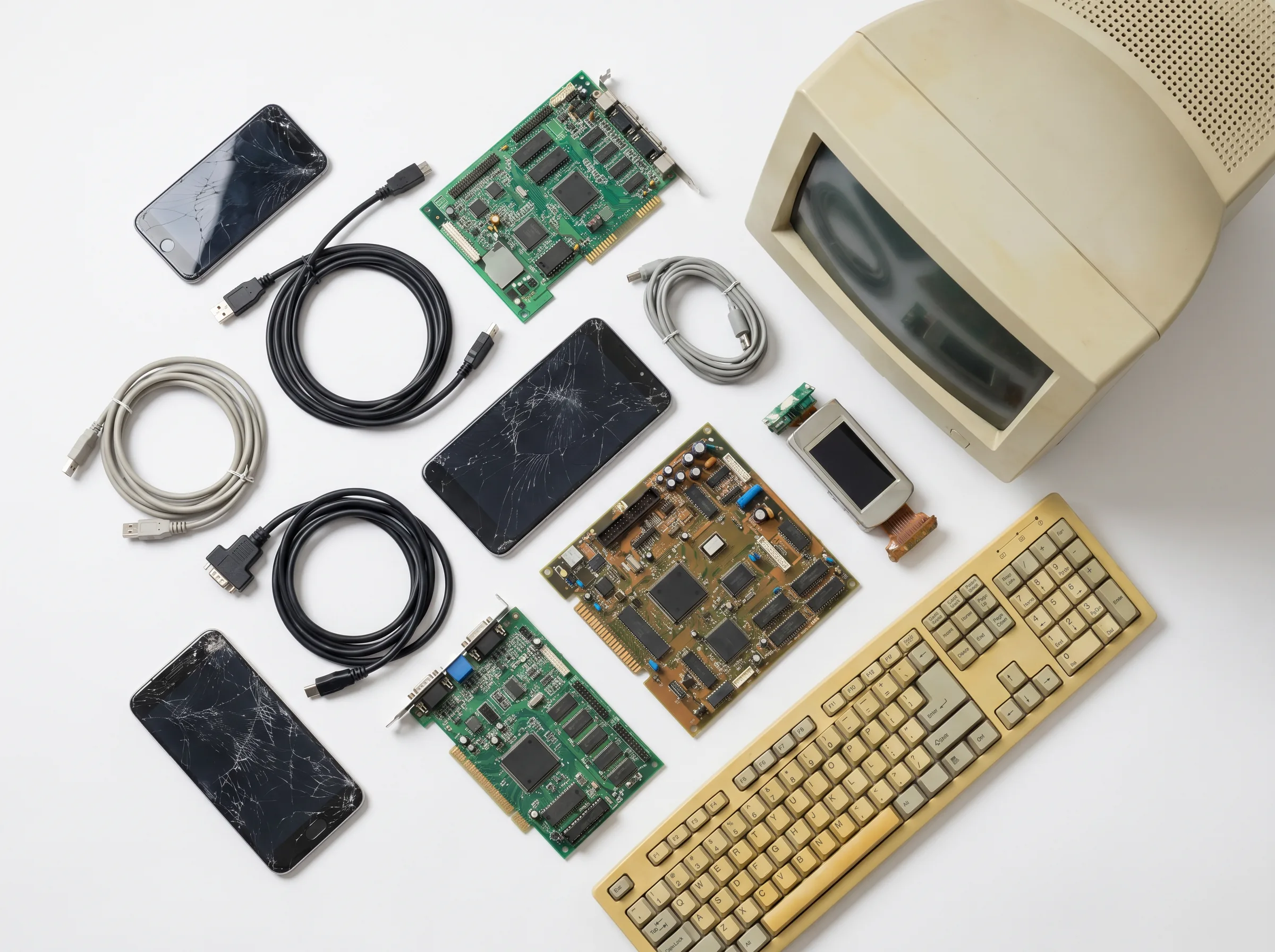
Televisions, computer monitors, laptops, desktop computers, tablets, phones, printers, and devices with batteries all fall under the rules. Older CRT televisions and monitors are especially regulated because of their high lead content. Rechargeable batteries and fluorescent bulbs are covered under related hazardous-waste rules as well.
Business electronics
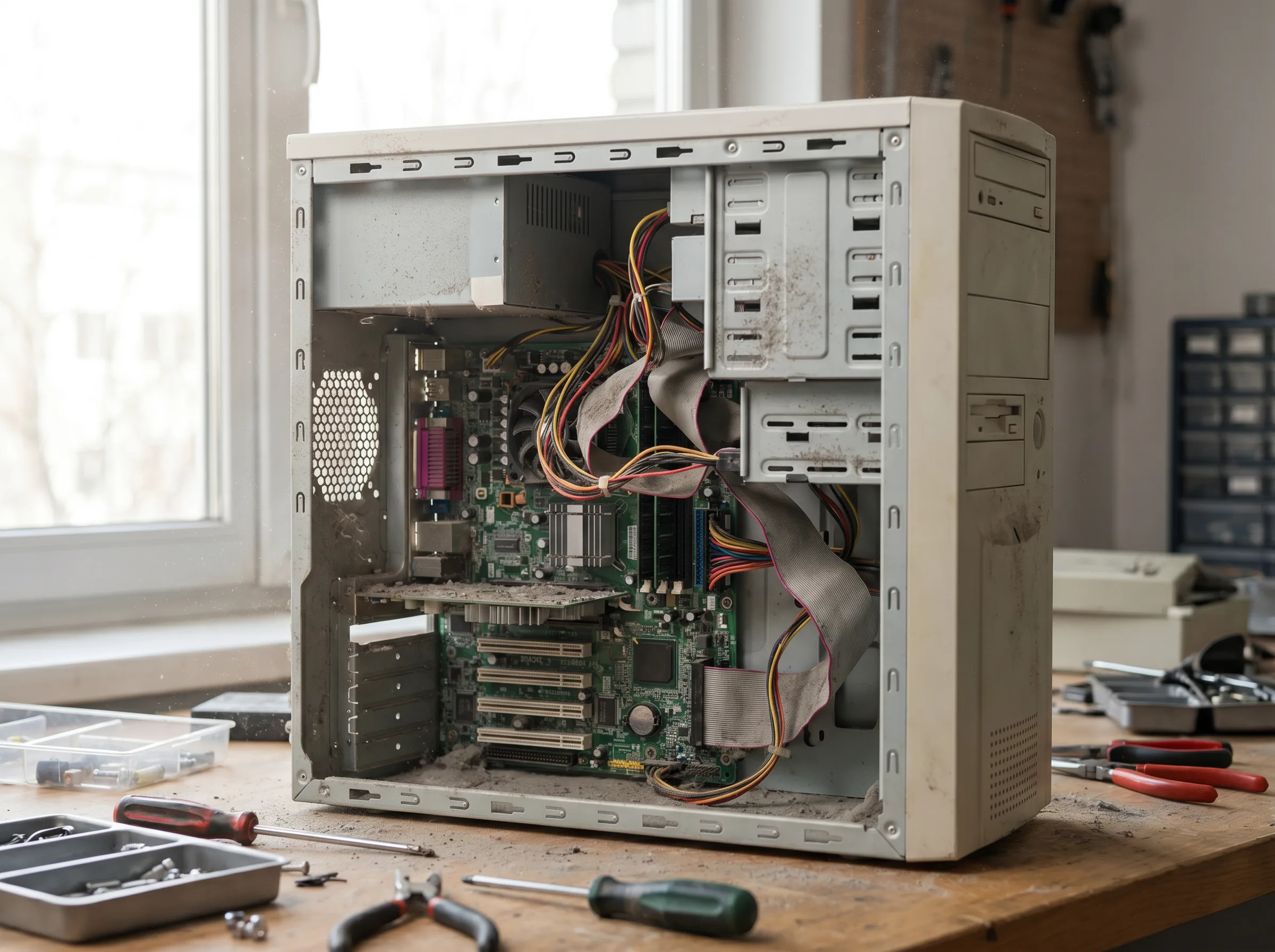
For companies, the same rules apply to servers, networking gear, copiers, POS systems, and the computers and monitors your staff use every day. Businesses that generate e-waste in volume have an added responsibility to dispose of it through proper channels. A scheduled commercial e-waste pickup makes staying compliant straightforward.
What Are the Consequences of Improper Disposal?
Improperly disposing of e-waste can lead to fines and, for businesses, potential liability for environmental cleanup. Beyond the legal risk, businesses and property managers who dump electronics may face penalties tied to illegal dumping. For organizations that handle sensitive data, there's an additional danger: discarding a computer without destroying its drive can expose confidential information. That's why proper disposal often goes hand in hand with secure data destruction.
Recycling vs. Donating Old Electronics
If a device still works, donating it can be a great option — schools, nonprofits, and community programs often welcome functional computers and monitors. Just be sure to wipe or destroy any personal data before handing a device off, since donation doesn't remove the information stored inside. If a device is broken, obsolete, or can't find a second home, recycling is the responsible path. Either way, the one option that isn't on the table is the trash can.
It's also worth knowing that "recycling" isn't the same everywhere. Responsible recyclers keep a documented chain of custody and process material through environmentally compliant channels rather than shipping it overseas or dumping it. Choosing a local, reputable e-waste service ensures your old electronics are genuinely recycled — not just moved out of sight. That distinction matters both for the environment and for your own peace of mind.
How to Dispose of Electronics Legally in the Inland Empire
Staying on the right side of the law is easy. Instead of putting electronics in the trash, schedule a pickup with a local e-waste recycler. For households, a residential e-waste pickup handles everything from a single old TV to a garage full of devices. For businesses, property managers, and other organizations, a scheduled service keeps you compliant without tying up your staff. Everything collected is recycled through environmentally responsible channels — legal, safe, and out of the landfill.