When you hand off an old TV or computer for recycling, where does it actually go? It's a fair question — and the answer is a lot more involved than tossing it in a bin. Responsible e-waste recycling is a multi-step process that recovers valuable materials and safely handles hazardous ones. Here's the journey your electronics take after pickup.
Step 1: Collection and Transport
The process starts with getting the electronics to a recycler. Rather than having every household and business haul items to a drop-off point, a pickup service collects devices directly and consolidates them for transport. This first step keeps electronics out of the trash and moving toward proper processing. For most people in the Inland Empire, it begins with a simple e-waste pickup from their home or business.
Step 2: Sorting and Triage
Once collected, electronics are sorted by type and condition. Devices that still work or can be refurbished are separated from those destined for material recovery. This triage step maximizes reuse — a working monitor or computer has more value refurbished than shredded. Items that can't be reused move on to the next stage.
Step 3: Data Destruction
Before any device that stored information is processed, its data must be dealt with. Hard drives and storage media are securely wiped or physically destroyed so no sensitive information survives. This is a critical step for businesses and organizations — a discarded drive can otherwise expose confidential records. Services like secure data destruction ensure the information is gone before the hardware goes any further, often with documentation to prove it.
Step 4: Dismantling and Separation
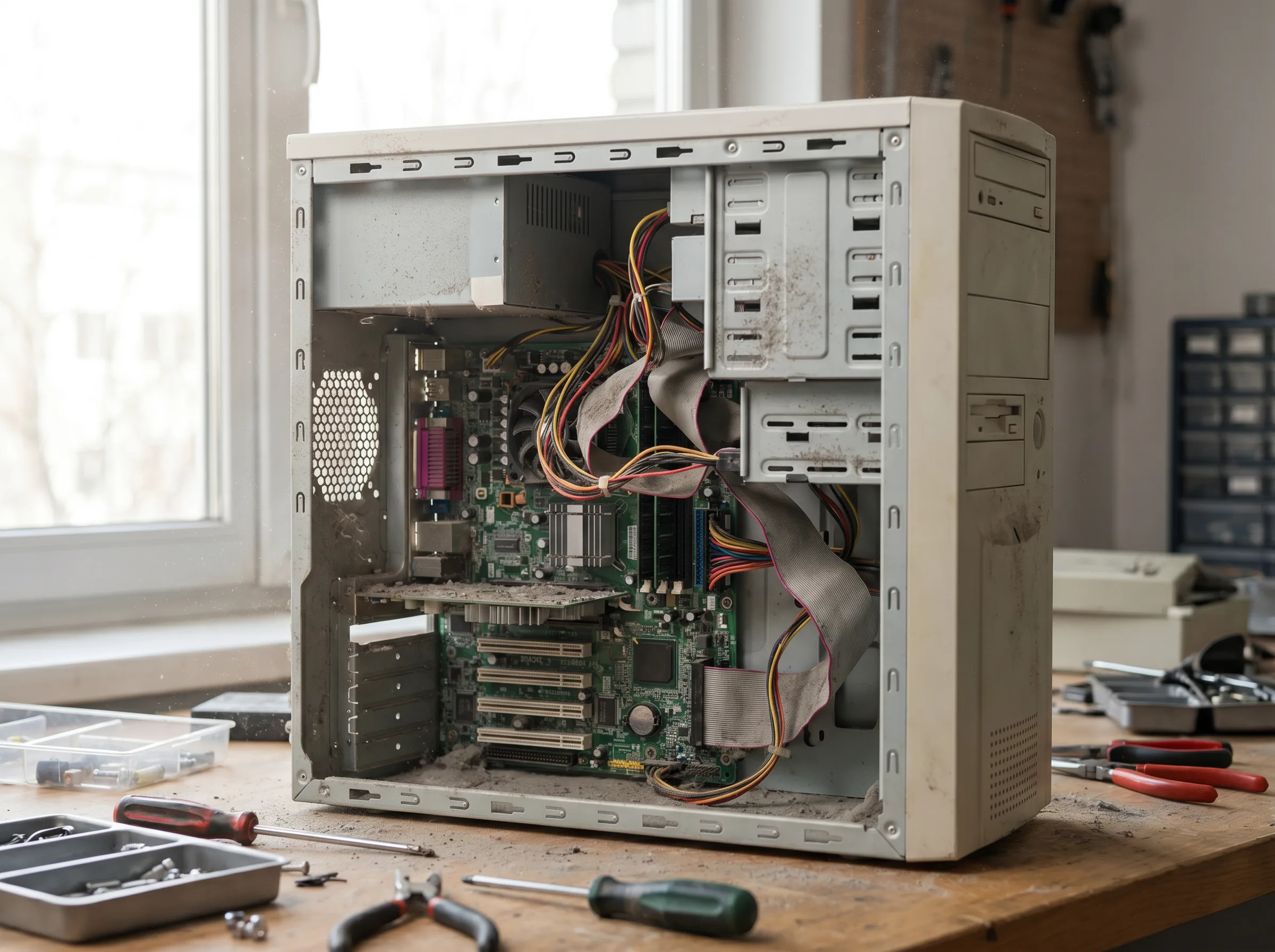
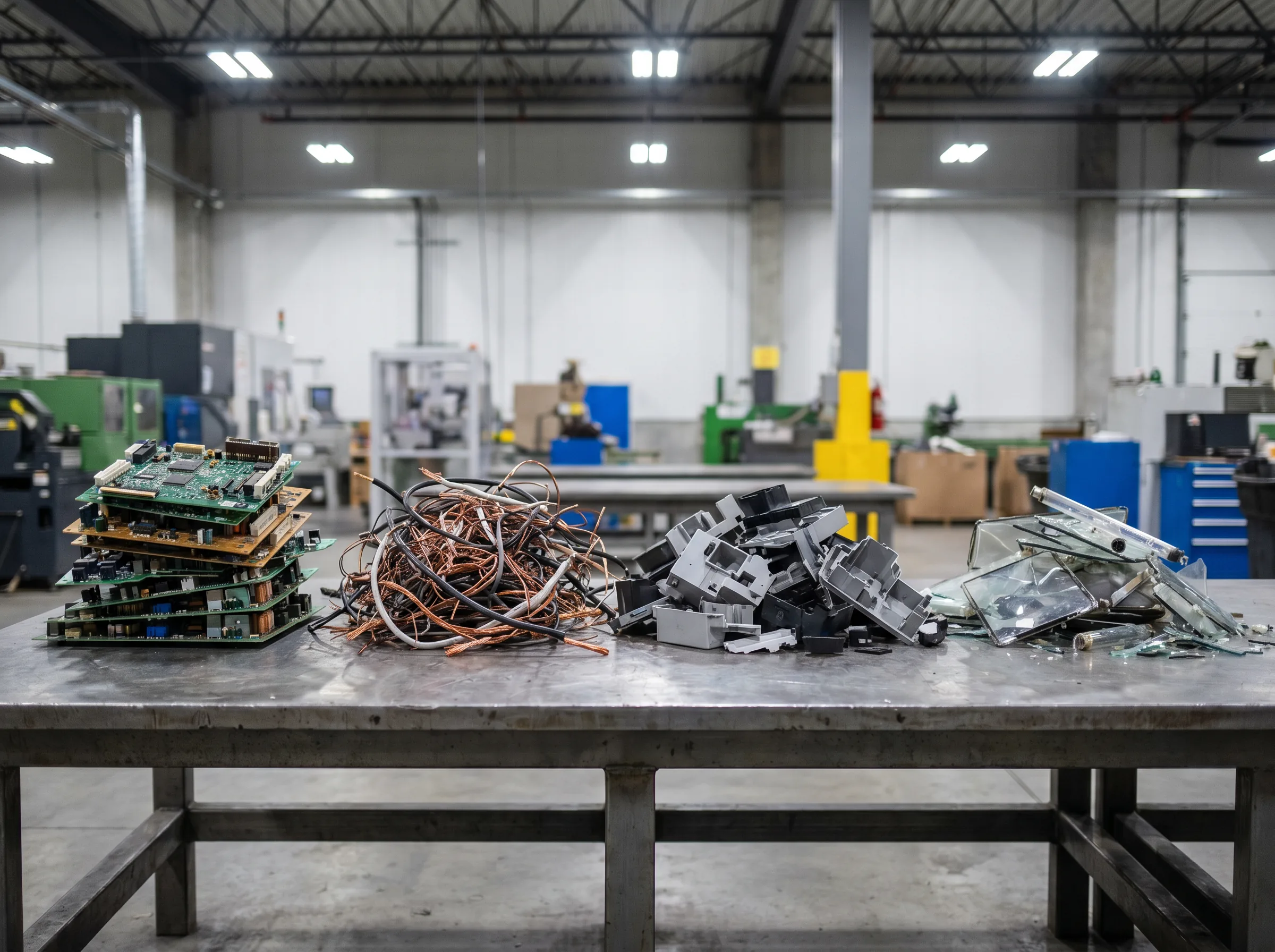
Next, devices are broken down into their component materials. Electronics are disassembled — sometimes by hand, sometimes mechanically — to separate metals, plastics, glass, and circuit boards. Hazardous components like batteries and leaded glass are removed and handled under strict rules. This careful separation is what makes it possible to recover materials while keeping toxins contained.
Step 5: Material Recovery
The separated materials are then processed so they can re-enter the manufacturing supply chain. Metals such as copper, aluminum, steel, and even small amounts of gold are recovered from circuit boards and wiring. Plastics and glass are processed for reuse as well. This recovered material reduces the need to mine and manufacture from raw resources, which is one of the biggest environmental benefits of recycling e-waste.
How You Can Support the Process
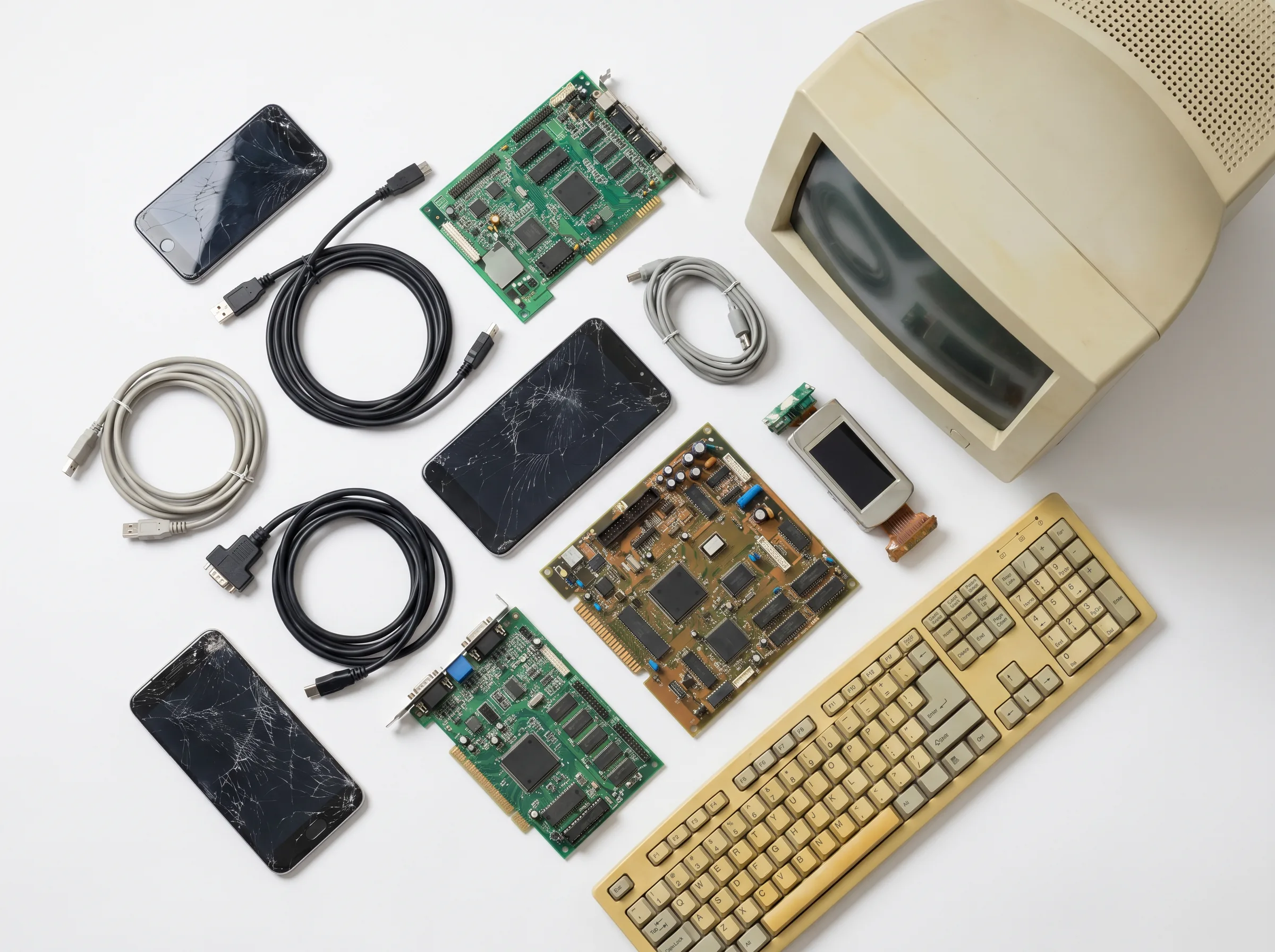
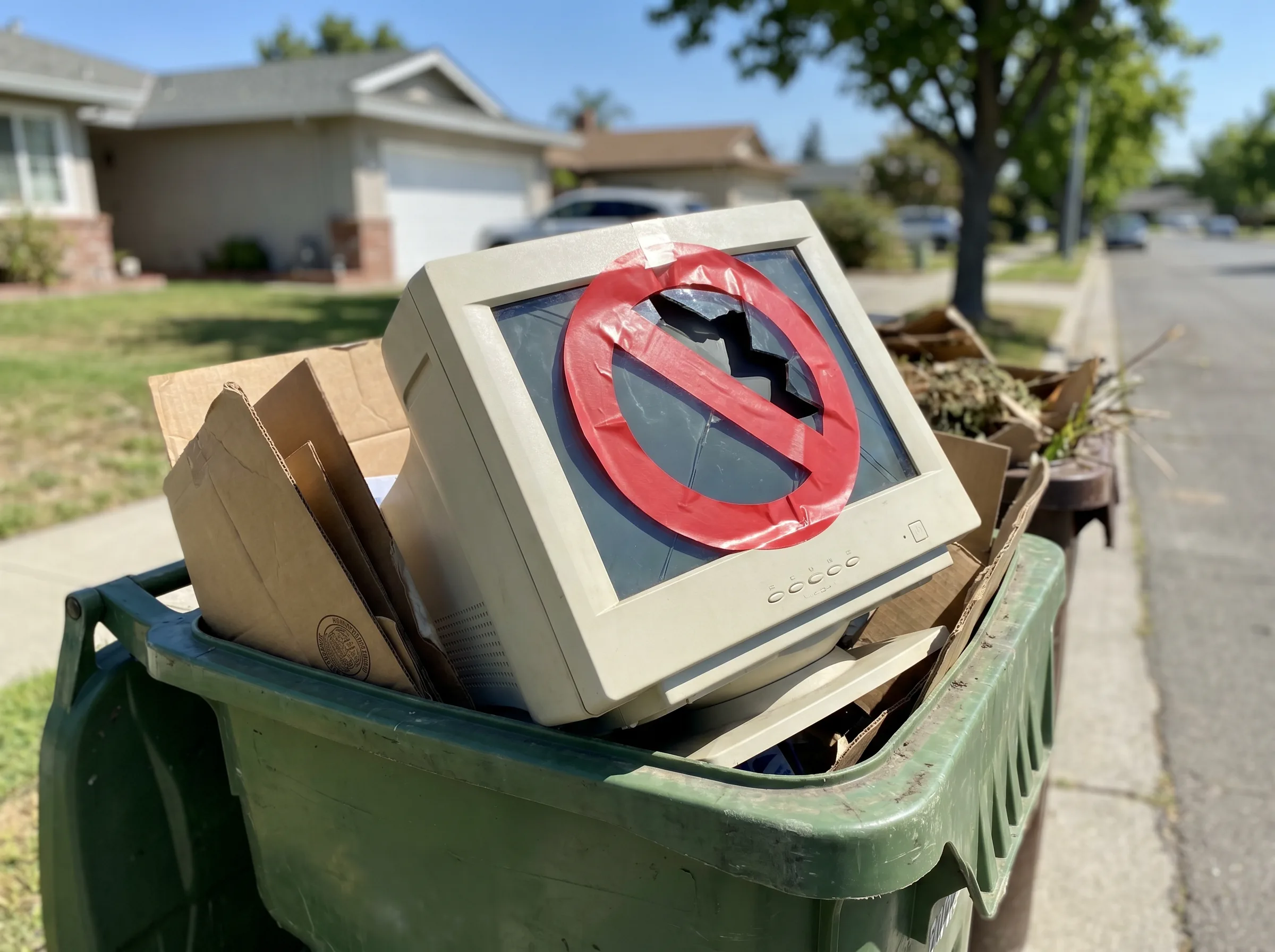
The recycling journey works best when devices reach a responsible recycler in the first place. The single most helpful thing you can do is keep electronics out of the trash and route them to a proper e-waste service instead. Gathering your old devices together — computers, monitors, cables, and accessories — makes collection efficient and ensures nothing slips through to the landfill. Even a single overlooked device kept out of the garbage makes a difference.
It also helps to choose a recycler that maintains a documented chain of custody. That documentation confirms your electronics were handled responsibly at every stage, from pickup through material recovery. For businesses, it provides proof of compliance; for households, it's simple reassurance. Responsible recycling is a partnership between you and the recycler, and it starts the moment you decide not to throw that old device away.
Why the Process Matters
Every step exists for a reason: to keep hazardous materials out of the environment and to recover as much value as possible from each device. When electronics are handled through responsible channels — rather than dumped — that full chain of custody is maintained. For larger operations like data centers retiring servers at scale, that documented, end-to-end process is essential. The next time you recycle an old device, you'll know it's the start of a journey that ends with materials recovered and the planet a little better off.